The company
From first page to final mix.
CGF Films is an independent motion picture company based in New York. The company writes, directs, scores and finishes its own films, carrying each one from the first page of the script to the final mix.
CGF Films was founded in 1999 by Carlos Ferrer, who had been making films since the age of ten. At sixteen, Ferrer directed a cast and crew of more than one hundred on his first feature, Scallop Pond, which received Best Student Feature at the Long Island Film Festival.
The company’s most recent feature, Retina, was six years in the making, five of them in post-production. Ferrer wrote, directed, photographed and scored the film, designed its sound and produced its visual effects, work he later presented at SIGGRAPH. Screen Media Films released the picture domestically, and it is available on iTunes, Amazon, DVD and video on demand.
The company’s own films are its primary focus. From time to time, the company also takes on outside projects: music videos, commercials and branded films, short-form documentary, and post-production and visual effects for other productions. These are chosen for what CGF Films can bring to them rather than taken on as a matter of course, and each one is handled with the same in-house pipeline and the same director-led approach as the company’s features. Details are on the services page.
Currently in development are a trilogy of three connected feature films and two shorts: Zoey, a fantasy, and Sound of Obsession, a horror short. Short films remain central to the company’s work. They are where ideas are tested, and where the features usually begin.
How we work
Built for how films get made now
The tools keep changing. What makes a film worth watching does not.
This company has taken up every meaningful shift in the craft as it arrived – digital acquisition, non-linear editorial, node-based compositing, in-house color and sound. Machine learning is the current one, and we have been working with it for a while rather than waiting to see how the argument ends.
We treat AI as a collaborator, like any other. That is genuinely how we work with it. You bring a collaborator in, you tell them what the picture needs, you direct them, and you keep only what earns its place. Every department here has been held to that standard for twenty-five years. This one is not exempt.
It is a good collaborator for the parts of post that used to eat months – cleanup and roto, look development, the hundred passes between a shot and a finished shot. It is not the one we hand a performance to.
Everyone has these tools now, and that is a good thing. It lowers the door for people who could never afford a way in. What it does not do is raise the ceiling. Access got cheap; taste did not. Which take carries a scene, where the camera belongs, how long to hold before you cut, what a cue is doing to an audience underneath the dialogue – none of that arrives in a prompt, and writing a good prompt is not the same skill as knowing what you are looking at.
Every facet of a film is a decision somebody made. The writing is human. The performances are human. What a scene means, where the camera goes, which take carries the truth – human, and argued over. Nothing reaches the master because something generated it. It reaches the master because someone here decided it belonged in the film. We are not interested in generated films and we do not make them.
That is our position, not a rule for anyone else’s set. What it buys us is a small company working at a scale that used to need a studio floor, with the time and money that frees up going into what an audience actually feels: actors, locations, days on set, and a score written for the picture.
That isn’t a prediction about the future. It’s how we are working right now.
See the work
Retina
Craft
Every department, in-house
Fifteen credited departments across the filmography. That isn’t a boast about versatility – it’s the reason a film with a studio look gets finished on an independent budget, and the reason a crew gets asked for the right thing at the right time.
I realized how little I actually knew, and decided to educate myself when creating the music, sound, color correction and visual effects – to make sure the quality would be as good as I imagined it being.
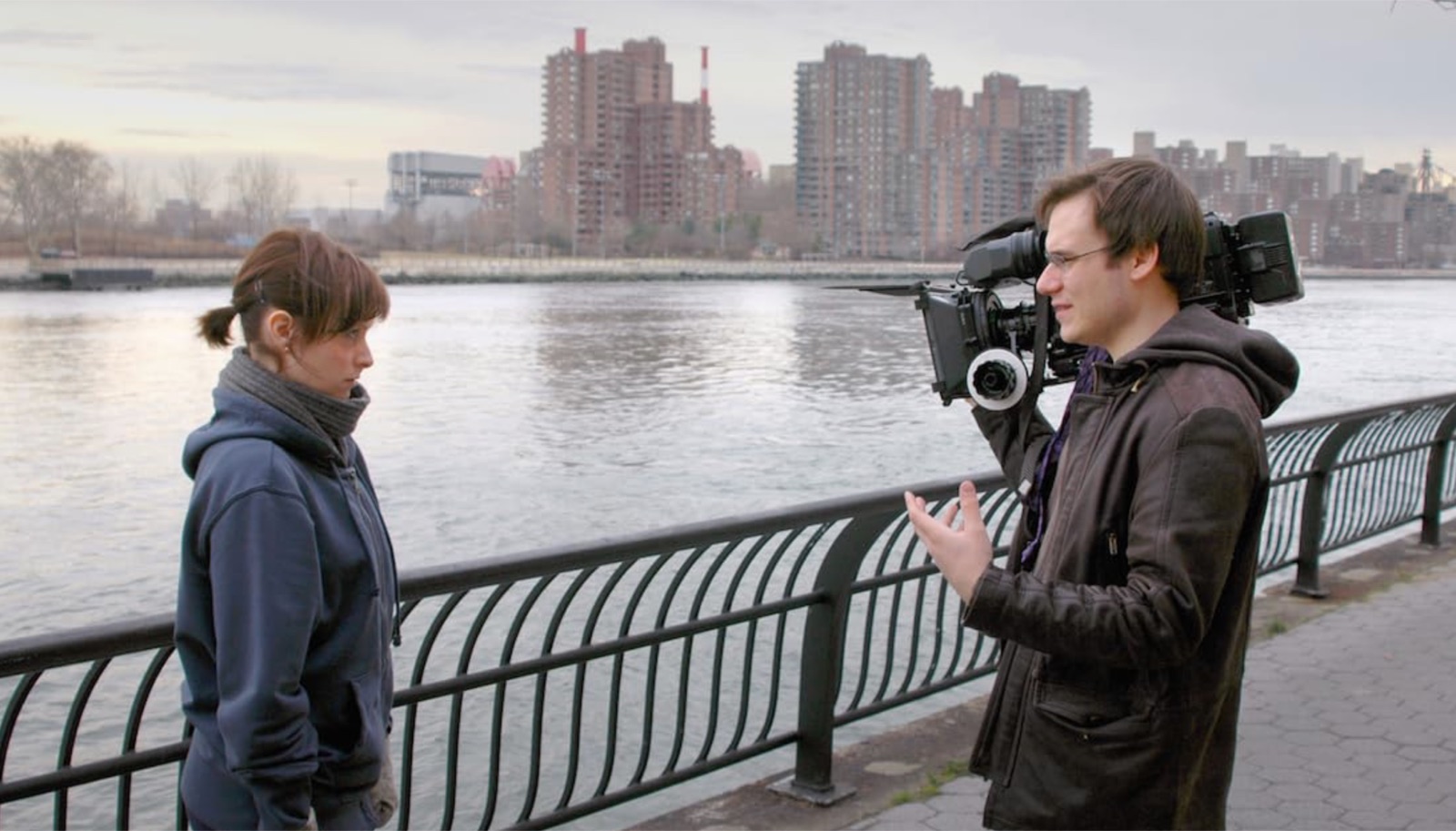
That was said about a film finished in 2015, and it is the reason this company is calm about what is happening to the craft now. Learning a department by doing it badly first, then doing it until it was right, is what builds the judgement to tell good work from work that merely looks finished.
That judgement is the part that got scarce. Anyone can generate a plausible frame, a plausible cue, a plausible grade. Plausible is not the same as right, and the only person who can hear that a mix is wrong is someone who has spent a year mixing. We have done every one of these jobs by hand, on a real picture, with a deadline. It is why we can hand work to a collaborator of any kind – a composer, a colorist, a machine-learning model – and know immediately whether what comes back belongs in the film.
1999 → now
Twenty-five years of it
1999
The company starts
CGF Films is founded in New York to make and finish original motion pictures.
2002
First festival screening
America’s Nightmare screens at the Deep Ellum Film Festival.
2004
First feature
Scallop Pond – ninety minutes, a crew of over a hundred, directed at sixteen.
2005
First award
Best Student Feature at the Long Island Film Festival.
2009–2015
Retina is built
Six years on one feature. One shooting, five in post – score, sound, color and every visual effect made in-house.
2015–2016
The industry notices
Profiles in the Los Angeles Times and Studio Daily; the visual effects work is presented at SIGGRAPH.
2018
Distribution
Screen Media Films releases Retina. It reaches iTunes, Amazon, DVD and VOD.
Now
A trilogy, and two shorts
Three connected feature films in development, alongside the shorts Zoey and Sound of Obsession, and commissioned music video, commercial and post work.
Who we are
Team
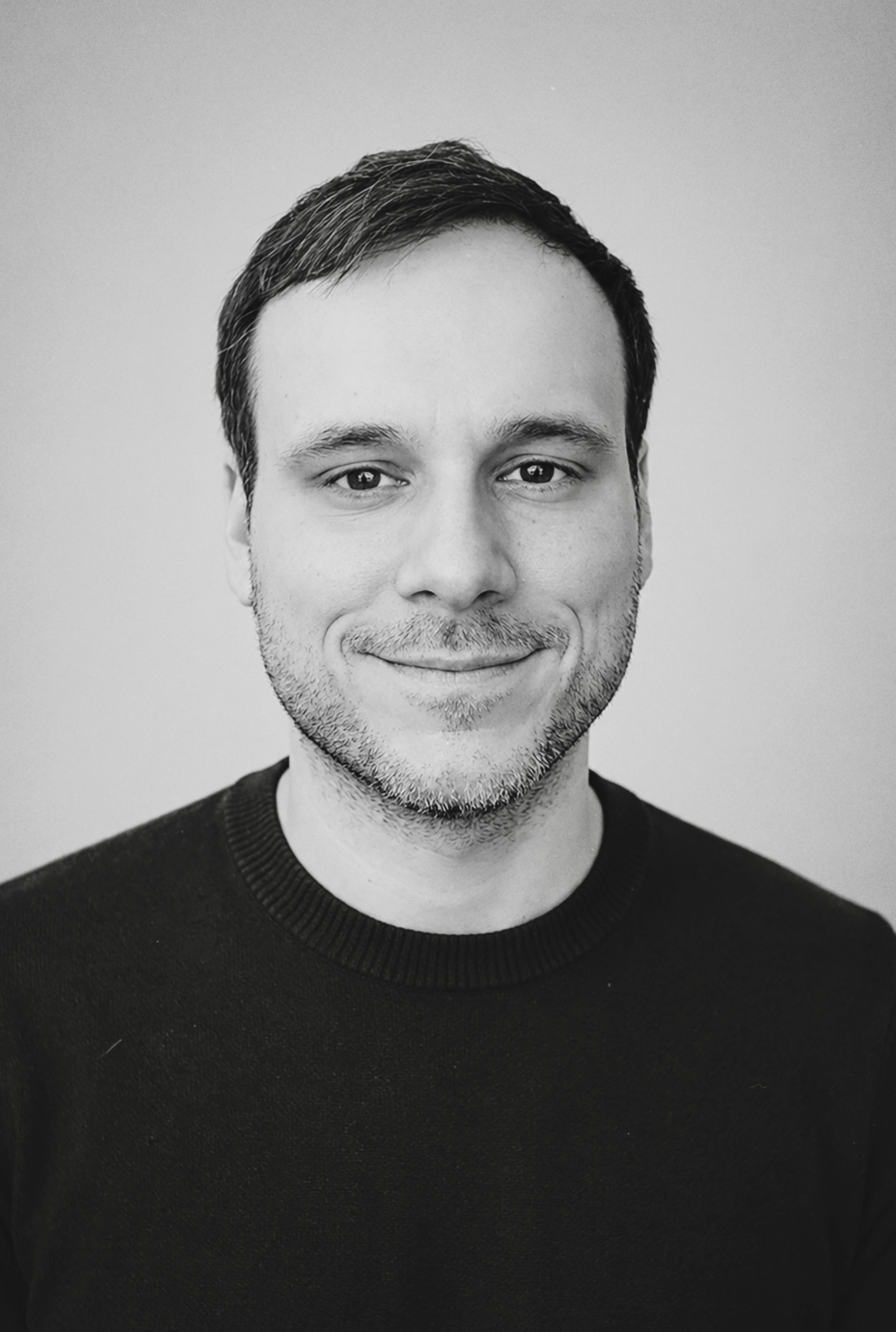
Carlos Ferrer
President · Filmmaker
Award-winning writer, director, cinematographer, composer, sound designer and visual effects artist. Born in New York City; BFA in Theatre Arts & Film from SUNY Purchase College, 2008. Directed his first feature at sixteen and has been making films for over twenty years. Presented the visual effects work on Retina at SIGGRAPH 2016. The protagonists in his films are usually women.
Gil Ferrer
Co-President · Executive Producer
Executive producer on Retina and Scallop Pond. Oversees financing, production management and distribution.
Let’s talk
Have something worth shooting?
Music video, commercial, or a feature that needs a director who can also finish it – tell us what you’re making.
Get in touch